
Question 4:
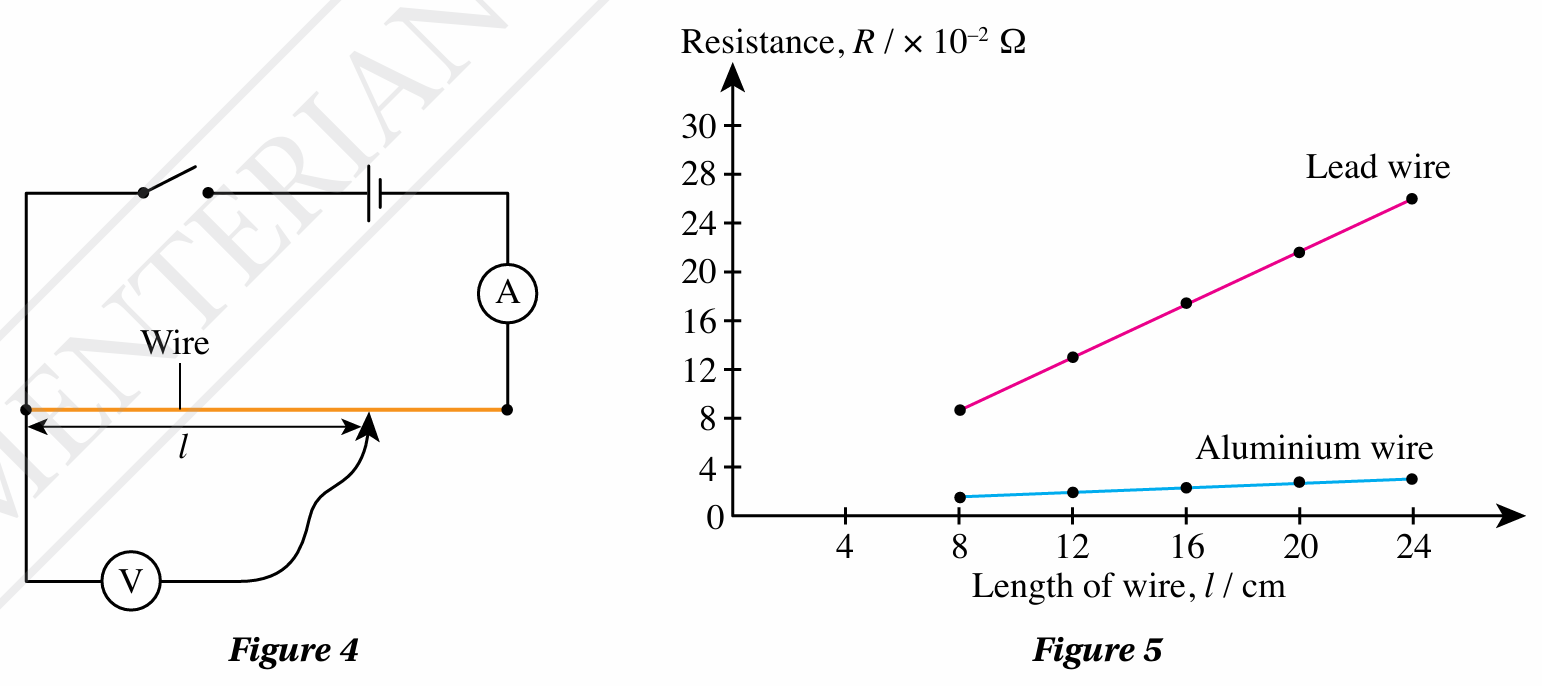
Figure 4 shows a circuit that is used to investigate the relationship between resistance, R and length of wire, l for two different wire conductors with the same diameter, that is 0.508 mm. Figure 5 shows the graph of resistance against length of wire.
(a) What is meant by resistivity?
(b) Based on the graph in Figure 5, compare:
(i) the gradients of the graph
(ii) their resistivities.
(c) Based on your answer in 4(b), state the relationship between the gradient of the graph and the resistivity of the conductor.
Answer:
(a) The resistivity of a conductor, ρ is a measure of a conductor’s ability to oppose the flow of electric current.
(b) (i) The gradient of the lead wire graph is greater.
(ii) The resistivity of the lead wire is greater.
(c) – The greater the gradient of the graph, the greater the resistivity of the conductor.
– The gradient of the graph is directly proportional to the resistivity of the conductor.
Figure 4 shows a circuit that is used to investigate the relationship between resistance, R and length of wire, l for two different wire conductors with the same diameter, that is 0.508 mm. Figure 5 shows the graph of resistance against length of wire.
(a) What is meant by resistivity?
(b) Based on the graph in Figure 5, compare:
(i) the gradients of the graph
(ii) their resistivities.
(c) Based on your answer in 4(b), state the relationship between the gradient of the graph and the resistivity of the conductor.
Answer:
(a) The resistivity of a conductor, ρ is a measure of a conductor’s ability to oppose the flow of electric current.
(b) (i) The gradient of the lead wire graph is greater.
(ii) The resistivity of the lead wire is greater.
(c) – The greater the gradient of the graph, the greater the resistivity of the conductor.
– The gradient of the graph is directly proportional to the resistivity of the conductor.
Question 5:
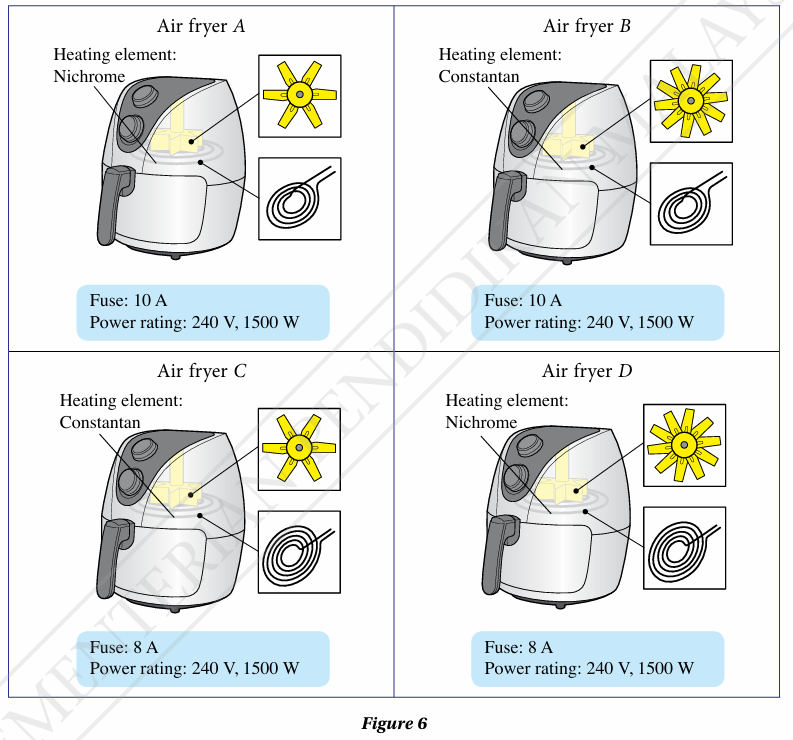
Figure 6 shows four types of air fryers A, B, C and D with different specifications. Study the specifications of the four air fryers based on the following aspects:
• heating element
• coil turns of the heating element
• number of fan blades
• suitability of fuse
(a) What is the function of a fuse in an air fryer?
(b) What is meant by 240 V, 1500 W on the label of the air fryers?
(c) Discuss the specifications of the four air fryers to cook food quickly and safely.
(d) Determine the most suitable air fryer. Give your reasons.
Answer:
(a) The fuse melts when the current exceeds the value of the fuse current, thereby disconnecting the circuit.
(b) A total of 1 500 J of electrical energy is consumed per second when connected to a 240 V power supply
(c)
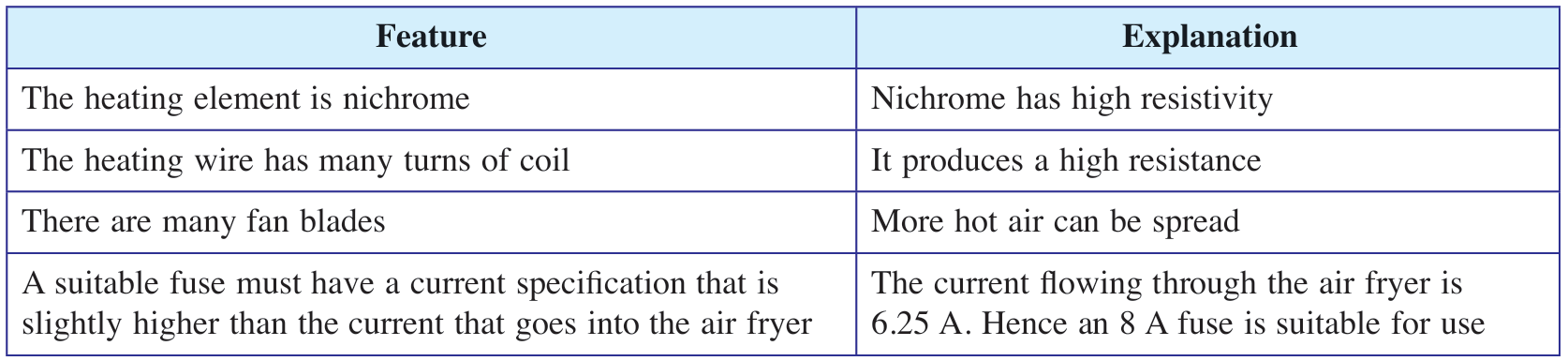
(d) Air fryer D is the most suitable because it has a nichrome heating element, a heating wire with many turns of coil, a large number of fan blades and an 8 A fuse.
Figure 6 shows four types of air fryers A, B, C and D with different specifications. Study the specifications of the four air fryers based on the following aspects:
• heating element
• coil turns of the heating element
• number of fan blades
• suitability of fuse
(a) What is the function of a fuse in an air fryer?
(b) What is meant by 240 V, 1500 W on the label of the air fryers?
(c) Discuss the specifications of the four air fryers to cook food quickly and safely.
(d) Determine the most suitable air fryer. Give your reasons.
Answer:
(a) The fuse melts when the current exceeds the value of the fuse current, thereby disconnecting the circuit.
(b) A total of 1 500 J of electrical energy is consumed per second when connected to a 240 V power supply
(c)
(d) Air fryer D is the most suitable because it has a nichrome heating element, a heating wire with many turns of coil, a large number of fan blades and an 8 A fuse.
Question 6:
Your mother has just renovated her kitchen with a modern concept. As a final touch, she asked you to buy an electric stove that can heat up food quickly and save electricity.
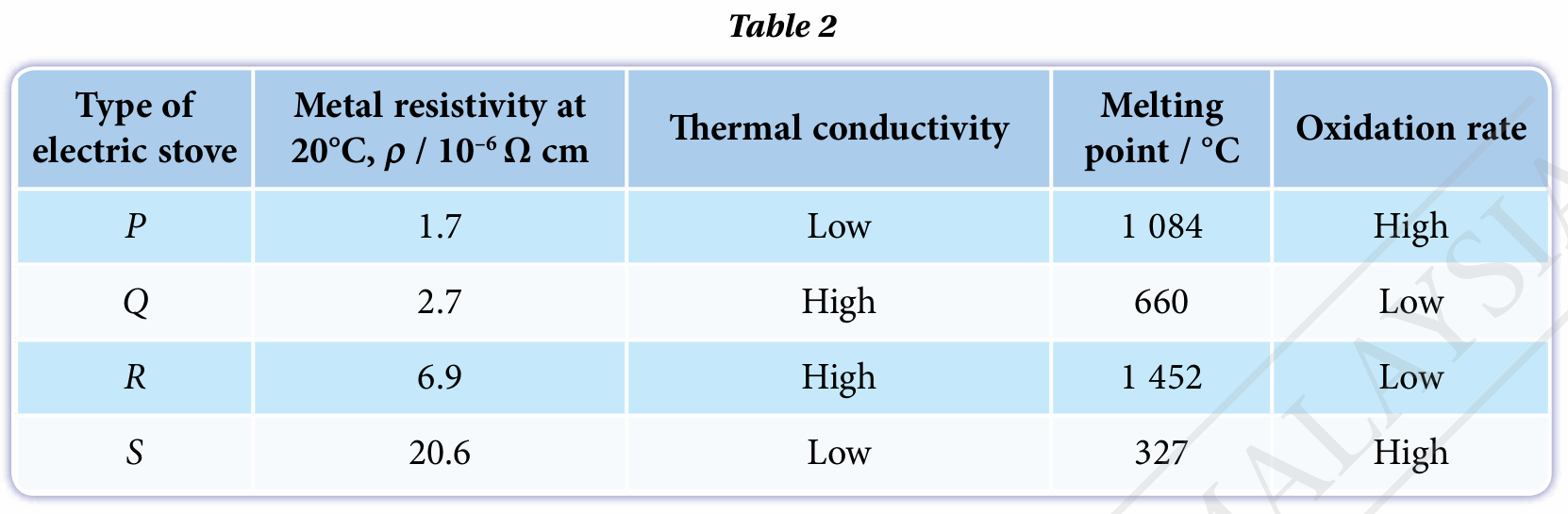
Table 2 shows several electric stoves with its heating element features.
(a) Discuss the suitability of the four types of electric stoves based on the features given.
(b) Determine the most suitable electric stove. Give your reasons.
Answer:
(a) The most suitable type of electric stove to be used must have four characteristics of the heater as follow:
– Metal resistivity at 20° C is high. Therefore, does not need a long wire to obtain the resistance required to make the stove heat up quickly.
– High thermal conductivity. Therefore, the stove will heat up quickly.
– High melting point. Therefore, it can withstand heat and the heater will not melt at high temperatures.
– Low oxidation rate. Therefore, it does not rust easily and is more durable.
(b) The type R of electric stove is the most suitable for use due to its high metal resistivity, high thermal conductivity, high melting point and low oxidation rate.
Your mother has just renovated her kitchen with a modern concept. As a final touch, she asked you to buy an electric stove that can heat up food quickly and save electricity.
Table 2 shows several electric stoves with its heating element features.
(a) Discuss the suitability of the four types of electric stoves based on the features given.
(b) Determine the most suitable electric stove. Give your reasons.
Answer:
(a) The most suitable type of electric stove to be used must have four characteristics of the heater as follow:
– Metal resistivity at 20° C is high. Therefore, does not need a long wire to obtain the resistance required to make the stove heat up quickly.
– High thermal conductivity. Therefore, the stove will heat up quickly.
– High melting point. Therefore, it can withstand heat and the heater will not melt at high temperatures.
– Low oxidation rate. Therefore, it does not rust easily and is more durable.
(b) The type R of electric stove is the most suitable for use due to its high metal resistivity, high thermal conductivity, high melting point and low oxidation rate.
Question 7:
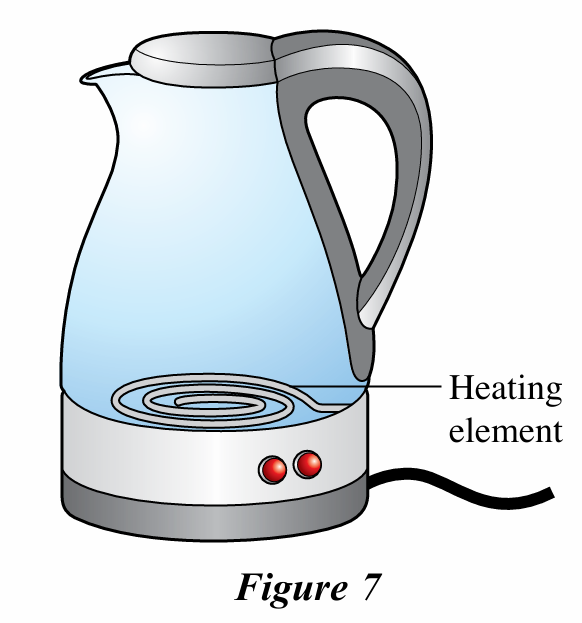
Figure 7 shows a heating element in an electric kettle. You are required to modify the heating element so that it is portable and can boil water faster and safer.
Explain the modifications based on the following aspects:
• number of coil turns of the heating element
• density of the heating element
• diameter of the heating wire
• type of material used as the heating element
Answer:
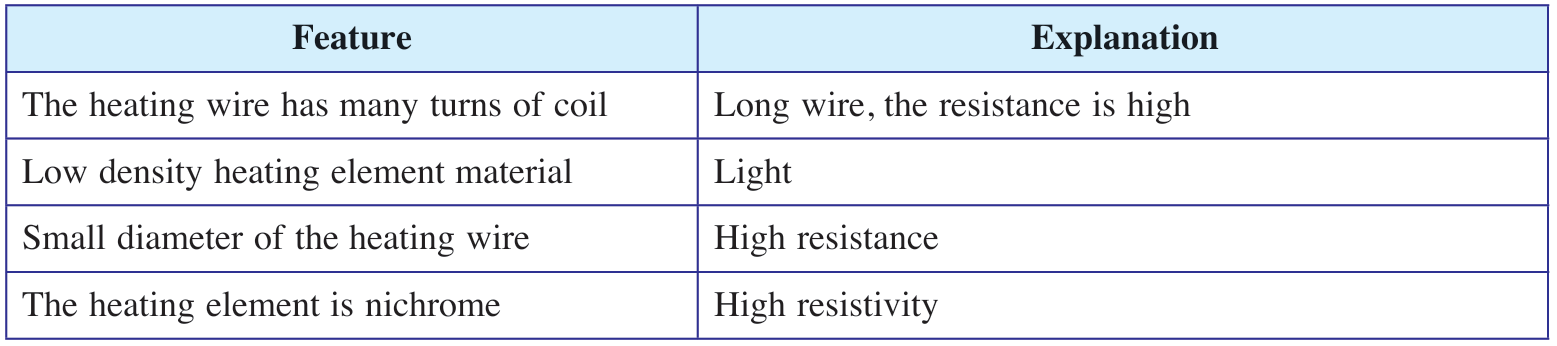
Figure 7 shows a heating element in an electric kettle. You are required to modify the heating element so that it is portable and can boil water faster and safer.
Explain the modifications based on the following aspects:
• number of coil turns of the heating element
• density of the heating element
• diameter of the heating wire
• type of material used as the heating element
Answer: